
Weight & Metabolic Health · Data
GLP-1 Weight-Loss Statistics 2026: Every Number, Sourced
The reference numbers on GLP-1 weight-loss medication in one place — usage, trial results, side effects, regain and the regulatory picture — each linked to the trial, poll or regulator it comes from. Cite freely; check us against the sources.
11%
US adults currently taking a GLP-1 for weight loss, mid-2026 (Gallup)
14.9%
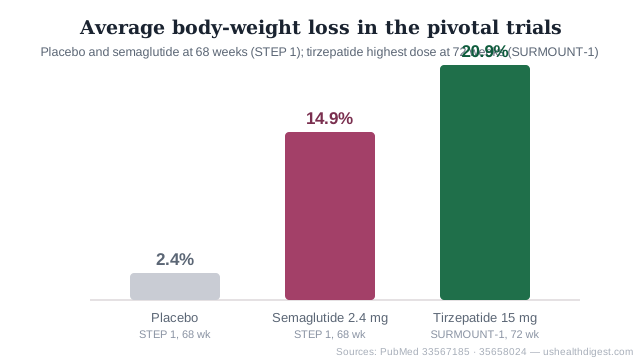
Average body-weight loss on semaglutide 2.4 mg at 68 weeks (STEP 1)
20.9%
Average loss on the highest tirzepatide dose at 72 weeks (SURMOUNT-1)
990
FDA adverse-event reports tied to compounded semaglutide, plus 730+ for compounded tirzepatide (May 31, 2026)
Usage
- 11% of US adults report currently taking a GLP-1 for weight loss as of mid-2026, up from 3% in 2024, per Gallup's May 28–June 5, 2026 survey (n=5,065, ±1.5 points); 15% report ever having used one, and awareness of the drugs has climbed from 80% to 91% since 2024.
- The US adult obesity rate has fallen to 36.4% so far in 2026 from a 39.9% peak in 2022, in the same Gallup tracking — a survey estimate from self-reported height and weight, not clinical measurement; our news analysis covers what those numbers can and cannot show.
- About 1 in 8 US adults (12%) reported having taken a GLP-1 medication back in May 2024, per KFF's national health tracking poll — consistent with Gallup's later trend line.
Efficacy (the pivotal trials)
- Semaglutide 2.4 mg (Wegovy): 14.9% average body-weight loss at 68 weeks, versus 2.4% for placebo, in the 1,961-participant STEP 1 trial — roughly three-quarters of participants were women.
- Tirzepatide (Zepbound): up to 20.9% average loss at 72 weeks on the highest dose in SURMOUNT-1.
- Head-to-head: tirzepatide produced greater average loss than semaglutide over 72 weeks in the first direct comparison trial, published in the NEJM in 2025.
- Full context on what these averages hide: our trial-data breakdown and the Wegovy vs Zepbound comparison.
Side effects and stopping
- 4.5% of semaglutide participants discontinued due to gastrointestinal events (vs 0.8% on placebo) in STEP 1 — GI effects (nausea, diarrhea, constipation) are the dominant side-effect class.
- Weight substantially returns after stopping: in the SURMOUNT-4 withdrawal trial, participants switched to placebo regained much of their lost weight while those continuing kept losing.
The compounding crackdown
- 990 adverse-event reports for compounded semaglutide, plus more than 730 for compounded tirzepatide, had reached the FDA as of May 31, 2026, many involving dosing errors — FDA statement.
- 30 telehealth companies received FDA warning letters in March 2026 over false or misleading compounded-GLP-1 marketing — FDA press release.
- Large-scale GLP-1 compounding is being closed down by FDA rulemaking, per legal analysis of the 2026 proposals. What it means for patients: our explainer.
Marketing reality check
- Weight-loss advertising is unreliable enough that the FTC maintains a published guide to spotting false claims. Any program quoting results should be checked against the trial numbers above.
This page is maintained as a living reference — numbers are updated when the underlying sources change, and the update date above reflects the last review.
Sources
This article is for information only and is not medical advice. Prescription weight-loss medication requires evaluation by a licensed clinician. See our medical disclaimer.